In regions where earthquakes are a common occurrence, such as California, having a proper seismic bracing system in place is crucial to ensuring the safety of buildings and their occupants. A seismic bracing system is a set of devices and structural elements designed to minimize damage to a building during an earthquake by absorbing and dissipating seismic forces. These systems are typically installed in buildings with high seismic risk to protect them from collapse or severe structural damage.
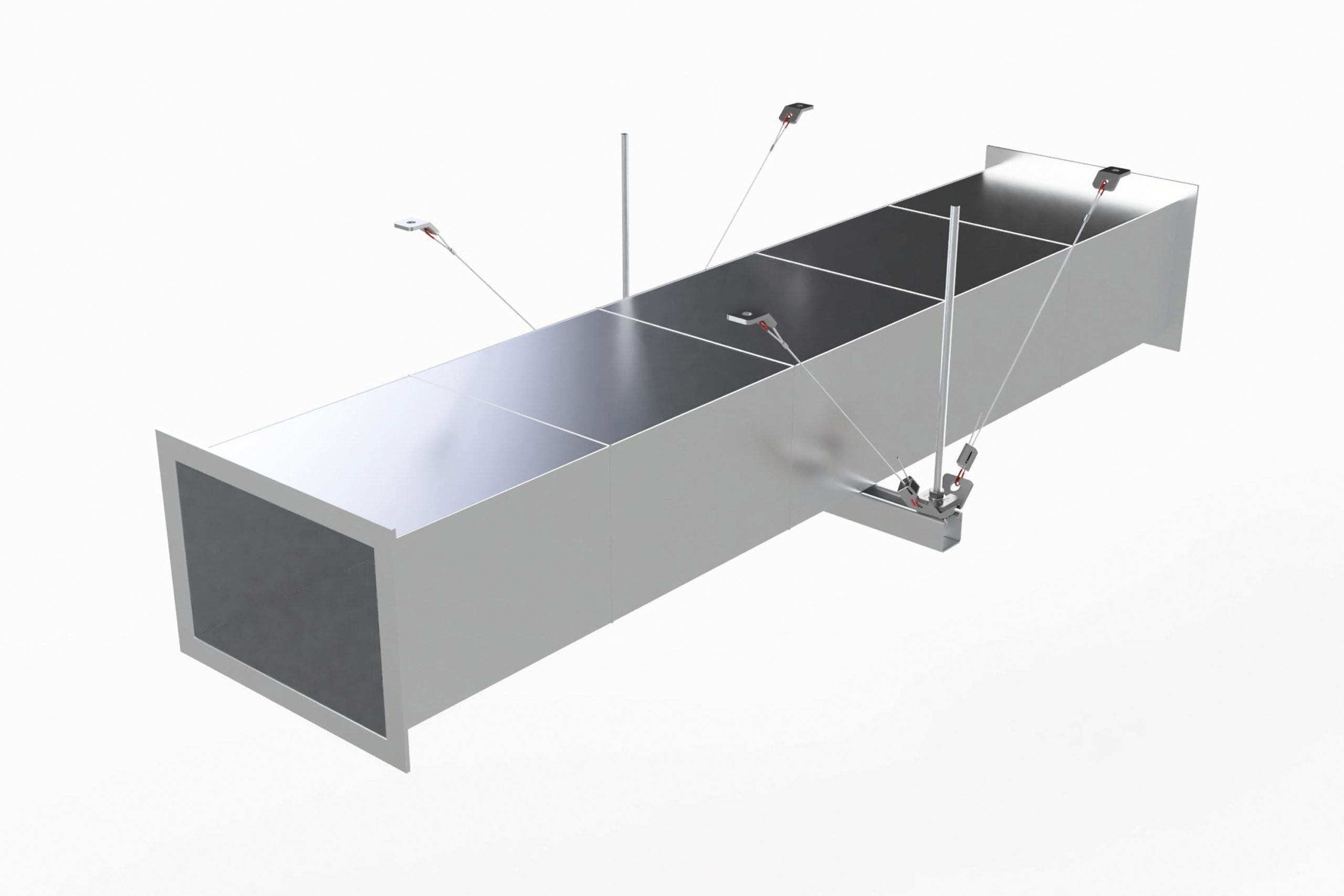
One of the main purposes of a seismic bracing system is to prevent non-structural components from falling or being displaced during an earthquake. Non-structural components include items such as ceilings, lights, HVAC systems, and piping, which can become hazards if they detach from the building structure. By securing these components with seismic bracing systems, the risk of injury to occupants is reduced, and the overall damage to the building is minimized.
There are several different types of seismic bracing systems that can be used, depending on the specific requirements of the building. One common type is the tension-only bracing system, which uses cables or rods to provide lateral support to the building structure. These systems are typically installed in buildings with open floor plans or high ceilings, where traditional bracing elements may not be feasible.
Another type of seismic bracing system is the buckling restrained braced frame, which consists of diagonal steel braces that are designed to yield under seismic loads. These braces can dissipate large amounts of energy during an earthquake, reducing the impact on the building structure. Buckling restrained braced frames are often used in buildings with complex geometries or irregular layouts.
In addition to preventing non-structural components from falling, seismic bracing systems can also help to minimize damage to the building structure itself. By dissipating seismic forces and distributing them throughout the building, these systems can reduce the likelihood of structural failure or collapse. This not only protects the occupants of the building but also helps to preserve the building itself, reducing the cost of repairs and ensuring its long-term durability.
Properly designing and installing a seismic bracing system requires expertise and experience in structural engineering. Engineers must consider a variety of factors, including the building’s height, weight, and location, as well as the local seismic activity and building codes. By carefully analyzing these factors, engineers can determine the most effective bracing system for a particular building and ensure that it meets all safety requirements.
Regular maintenance and inspection of seismic bracing systems are also essential to their effectiveness. Over time, these systems can degrade due to factors such as corrosion, vibration, or improper installation. Regular inspection can help identify any issues before they become serious problems, allowing for timely repairs and ensuring that the system remains functional in the event of an earthquake.
In conclusion, seismic bracing systems play a vital role in protecting buildings and their occupants from the destructive forces of earthquakes. By securing non-structural components and dissipating seismic forces, these systems can help prevent injury and minimize damage during an earthquake. Designing and installing a proper seismic bracing system requires expertise and careful consideration of various factors, but the investment is well worth it to ensure the safety and resilience of buildings in seismic regions.